English
Views: 0 Author: Site Editor Publish Time: 2026-07-13 Origin: Site
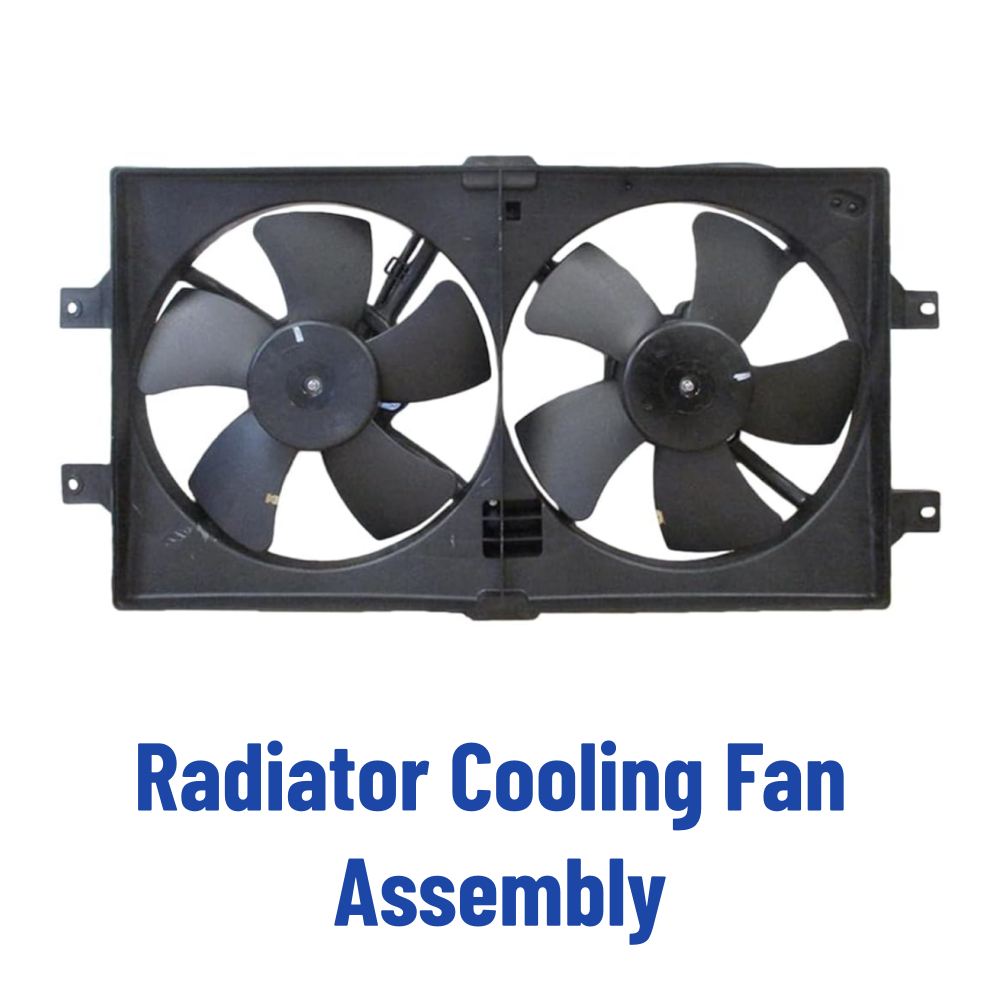
UK buyers looking for radiator fan suppliers should compare OE aftermarket brands, national distributors, cooling specialists, and overseas supply partners. The best choice depends on whether the buyer needs individual fan motors, complete fan assemblies, control-module-integrated units, private-label supply, or replacement coverage for European and Asian vehicles. Elecdura can support importers and distributors with radiator cooling fan assembly, radiator fan motor, and related cooling fan sourcing.
Supplier route | Best use | Buyer caution |
|---|---|---|
OE aftermarket brands | Reliable catalog coverage and recognized names. | Price and MOQ may be less flexible. |
UK distributors | Fast local availability and workshop support. | The buyer may still need import alternatives for margin. |
Specialist import partners | Private label, bulk supply, and broader SKU coverage. | Requires better fitment data and quality control process. |
UK radiator fan sourcing should compare OE brands, aftermarket distributors, technical fitment support, and import supply options.
This list is written for aftermarket buyers, not as a simple popularity ranking. A UK repair network may value fast local availability, while an importer may value private-label packaging, SKU breadth, and landed cost. The right supplier route depends on the buyer's role in the chain.
Radiator fan demand in the UK is influenced by European vehicle parc, aging passenger cars, light commercial vans, stop-start traffic, A/C load, and the growing complexity of fan control electronics. Buyers should not compare only fan diameter. They should compare connector, shroud, control module, blade direction, motor speed, and OE cross references.
UK radiator fan demand is practical rather than academic: repair networks need fast-fit parts, distributors need reliable suppliers, and importers need enough margin to justify bulk sourcing. This UK-focused guide narrows the discussion to practical sourcing routes for aftermarket buyers.
Supplier or route | Strength | Best buyer fit |
|---|---|---|
Valeo Service UK | OE-style cooling fan and thermal management presence. | Distributors needing recognized aftermarket brands. |
DENSO Aftermarket UK | Strong OE reputation and Asian-vehicle coverage. | Buyers prioritizing brand trust and quality perception. |
HELLA UK | Electrical and thermal parts recognition. | Workshops and distributors needing electronic component confidence. |
MAHLE Aftermarket UK | Thermal management and OE-equivalent positioning. | Catalog-driven aftermarket programs. |
Nissens UK | Cooling and climate parts specialization. | Distributors focused on thermal parts breadth. |
NRF / AVA Cooling route | Aftermarket cooling coverage in Europe. | Buyers needing condenser, radiator, and fan-related support. |
Euro Car Parts | Local distribution reach. | Repair networks needing fast UK supply. |
GSF Car Parts | Workshop-facing UK aftermarket distribution. | Local service and common applications. |
Specialist radiator/cooling shops | Repair and rebuild knowledge. | Heavy-duty, unusual, or diagnosis-heavy cases. |
Elecdura | Bulk sourcing, private label, and China supply-chain support. | Importers and distributors building margin-focused fan programs. |
Valeo is a familiar name in engine cooling and electrical systems, and its UK aftermarket presence makes it a natural reference point for buyers who want recognized brand coverage. For radiator fan assemblies, the value is not only the fan but the confidence that the design follows OE-style cooling requirements.
UK distributors can use Valeo-type products as a quality benchmark when comparing imported alternatives. Check connector, shroud, fan diameter, control module integration, and application range before assuming one fan assembly is interchangeable with another.
DENSO is widely associated with OE-quality thermal and electrical components. For buyers dealing with Asian vehicles, DENSO references can help identify expected design standards, connector quality, and durability expectations.
When using DENSO as a benchmark, compare not only price but also blade balance, motor noise, connector sealing, and operating speed. An importer sourcing alternatives should be able to explain how the replacement compares in fit and function.
HELLA is relevant when the fan system involves electronics, relays, control modules, and integrated electrical behavior. Modern radiator fans are no longer just motors and blades; many applications depend on PWM control, modules, and ECU command logic.
A UK buyer should consider HELLA-type supply where electronic reliability is important. If choosing an imported alternative, request connector photos, module identification, and test evidence for multi-speed or controlled fan units.
MAHLE's thermal management reputation makes it another useful benchmark for radiator fan and cooling-system buyers. Its strength is the perception of OE-equivalent engineering and structured aftermarket cataloging.
For distributors, MAHLE-type catalog clarity is a model to follow. Private-label import programs should maintain equally clean SKU data: OE numbers, application notes, motor type, shroud style, and replacement warnings.
Nissens is known for cooling and climate products, which makes it relevant for buyers who want radiator, condenser, intercooler, and fan-related sourcing under a thermal-management umbrella. This is useful because fan failure often interacts with radiator and A/C condenser performance.
When comparing fan suppliers, ask whether related cooling components can also be supplied. A distributor that handles radiator, condenser, fan motor, and fan assembly together can often solve more workshop problems than a supplier selling fans alone.
NRF and AVA-style European cooling routes are relevant for buyers focused on aftermarket thermal parts. These suppliers are often considered when the buyer wants broad European vehicle coverage and cooling category depth.
For radiator fan programs, compare application coverage, shroud fit, connector quality, packaging, and claim handling. The buyer should also check whether fan assemblies are complete or require separate motors, resistors, or modules.
Euro Car Parts is important as a UK distribution route rather than a manufacturer. For repair networks, local availability can be decisive because a vehicle occupying a workshop bay needs parts quickly.
Importers should study local distributor availability to understand which SKUs are already easy to buy and which long-tail or margin-sensitive applications may justify direct sourcing from an overseas partner.
GSF is another UK aftermarket distribution route serving workshops and local repair demand. It helps buyers understand what common fan assemblies and cooling parts are available quickly in the UK market.
For a wholesaler building an import line, the opportunity may not be to replace every local distributor SKU. It may be to support private-label programs, slow-moving variants, or price-sensitive applications where local branded supply leaves margin space.
Specialist cooling shops can be valuable for heavy-duty, classic, agricultural, or unusual applications where catalog lookup is not enough. They may understand airflow, shroud sealing, radiator blockage, and motor behavior better than general parts sellers.
For importers, these specialists can provide feedback about failure patterns and difficult applications. That feedback can guide which fan assemblies, motors, and control modules deserve inventory.
Elecdura is a sourcing partner for importers, wholesalers, and distributors that want bulk aftermarket cooling fan support, private-label options, and China supply-chain flexibility. The strongest fit is not emergency local supply; it is planned sourcing with good matching data.
Send Elecdura OE numbers, old-part photos, fan assembly dimensions, connector views, target quantities, packaging needs, and current market pain points. The team can help match radiator fan assemblies, fan motors, and fan control modules for a distributor program.
Start by deciding whether your business needs local speed, brand trust, price competitiveness, SKU breadth, or private-label control. No single supplier route wins every category. A repair shop may prefer same-day local supply, while an importer may prefer planned bulk ordering with stronger margins.
Compare complete assembly versus component-level supply. Some applications allow separate fan motor replacement, while others require the whole assembly because the motor, shroud, blades, and control module are integrated. If you stock the wrong level of assembly, workshops may still be unable to complete repairs.
Use warranty evidence as a supplier filter. A good supplier should explain what photos, test results, and installation notes are needed for fan claims. Fan failures may be caused by overheating, wiring damage, relay faults, sensor problems, or blocked radiators, so diagnosis matters.
Do you supply complete fan assemblies, bare motors, control modules, or all three?
Can you confirm by OE number, connector photo, shroud shape, fan diameter, and vehicle application?
What test steps are performed for motor noise, speed, balance, and connector condition?
Can you support private-label packaging and carton labeling for UK importers?
How do you handle warranty claims when the root cause may be wiring, relay, sensor, or overheating?
Can related categories such as fan control module and radiator be sourced together?
If you are building a UK radiator fan program, send Elecdura your OE-number list, target vehicles, old fan photos, monthly demand, and packaging plan. Elecdura can help compare complete fan assemblies, fan motors, and fan control modules for bulk aftermarket sourcing.
A UK supplier shortlist should help importers understand the market, not simply copy the brands already available locally. Local distributors are strong for speed and workshop access. Import sourcing is stronger when the buyer wants private-label control, broader long-tail coverage, better landed cost, or a planned fan program for repeated applications.
The opportunity is usually not every radiator fan SKU. It is the set of applications where local supply is expensive, slow, incomplete, or difficult to match. Importers should compare local availability against inquiry frequency and then build a focused list: common fan assemblies, selected fan motors, modules for known failures, and slow-moving variants that can be quoted by order.
UK route | What it teaches | Importer response |
|---|---|---|
OE brands | Quality benchmark and catalog expectations. | Match data discipline and test evidence. |
Local distributors | Fast-moving local demand. | Identify high-price or long-tail gaps. |
Cooling specialists | Diagnosis and unusual applications. | Collect failure-pattern feedback. |
Import partner | Margin and private-label flexibility. | Use strong confirmation and QC rules. |
A serious buyer should ask whether the supplier can support complete assemblies, motors, modules, and related cooling parts. They should also ask how the supplier confirms OE numbers, connector pin counts, blade direction, shroud size, and control module function. Radiator fan sourcing becomes risky when the quote is based only on fan diameter.
UK workshops care about quick fitment and low return rates. Importers care about carton strength, label accuracy, predictable lead time, and warranty evidence. A supplier that can bridge those needs is more valuable than a supplier that only sends a price list.
Elecdura is not a same-day UK retail distributor. Its role is planned aftermarket sourcing for importers, wholesalers, and distributors that want radiator fan assemblies, fan motors, fan control modules, and related cooling parts with private-label or bulk supply support. That distinction matters because the buyer should use Elecdura for program building, not emergency retail fulfillment.
Send Elecdura the UK applications that are expensive, repeatedly requested, or difficult to match locally. Include OE numbers, photos, monthly demand, packaging expectations, and current supplier problems. The strongest program will combine local market intelligence with disciplined import confirmation.
UK buyers can score suppliers with a simple weighted system: application coverage, speed, technical fitment support, warranty handling, private-label capability, landed cost, and related-category support. A local distributor may score high on speed, while an import partner may score high on margin and program flexibility. The scorecard makes the trade-off visible instead of reducing the decision to brand familiarity.
For importers, technical fitment support should carry more weight than it often does. Radiator fan mistakes are expensive because the part is bulky, labor is involved, and electronic control faults can imitate motor failure. A supplier that asks for OE number, connector photo, shroud dimensions, blade direction, and module details is usually safer than one that quotes from a broad model name.
Score factor | Local distributor advantage | Import program advantage |
|---|---|---|
Speed | Same-day or next-day availability. | Planned stock after demand is proven. |
Margin | Lower planning burden. | Better private-label and landed-cost control. |
Fitment data | Known local applications. | Custom confirmation files by SKU. |
Range | Common UK demand. | Long-tail and difficult variants. |
A smart UK program does not need to choose only one route. Keep emergency and low-volume items available through local channels, then import the repeatable SKUs where demand and margin justify stock. This hybrid model protects workshop service while giving the importer a reason to build its own fan line.
Use local distributor pricing as a benchmark, but do not assume that every high-priced SKU is a good import target. Check inquiry frequency, wrong-part risk, carton size, warranty history, and whether the fan assembly includes electronics. Some large assemblies may look profitable until freight and damage risk are included.
Top requested OE numbers or vehicle applications.
Photos of old fan assemblies, connectors, modules, and shrouds.
Monthly demand or annual sales estimate by SKU.
Whether the buyer wants complete assemblies, motors, modules, or a mixed program.
Packaging, barcode, and private-label requirements.
Current local supply problems such as high cost, slow delivery, or poor coverage.
Before the order is confirmed, the buyer should make sure the part information, failure evidence, and commercial expectation all point in the same direction. Many aftermarket problems begin when one team talks about price, another team talks about fitment, and the warehouse receives only a short part name. A small amount of structure before payment saves much more time after arrival.
Use UK local distributors to identify fast-moving applications and service expectations.
Use import sourcing for planned SKUs where demand, margin, and fitment control justify stock.
Ask for connector, shroud, blade direction, module, and OE number photos before placing a private-label order.
Compare freight and damage risk because complete fan assemblies are bulky.
For repeat programs, the supplier should be asked to preserve the matching record. This includes the old-part photo, OE number, confirmed replacement, packaging label, and any warning about related components. When the same inquiry returns later, the buyer can reorder from a controlled record instead of starting diagnosis again from memory.
The strongest UK radiator fan program combines market awareness with disciplined sourcing. Local channels show what workshops need quickly; an import partner helps build a more controlled product line where price, packaging, and long-term coverage matter.
UK buyers should also think about seasonality. Cooling fan demand can rise when warmer weather exposes weak motors, when A/C use increases, or when aging vehicles enter repair cycles. Importers should plan lead time before the peak rather than waiting for emergency local shortages. A practical program can start with a narrow set of proven applications, then expand after sales and return data show which fan assemblies or motors deserve deeper stock. This measured approach is safer than importing a broad, untested range.
Before adding top 10 radiator fan suppliers in the uk: aftermarket buyer shortlist to a repeat purchasing file, the buyer should save the final approved specification, the customer-facing part name, the internal matching notes, and the photos used for confirmation. This file should travel with the SKU from quotation to warehouse packing and later warranty review. A clean ordering file is especially useful when staff change, when the same customer reorders after several months, or when a similar-looking variant appears in a new inquiry. It turns the first successful order into a repeatable supply process instead of a one-time match.