English
Views: 0 Author: Site Editor Publish Time: 2026-07-13 Origin: Site
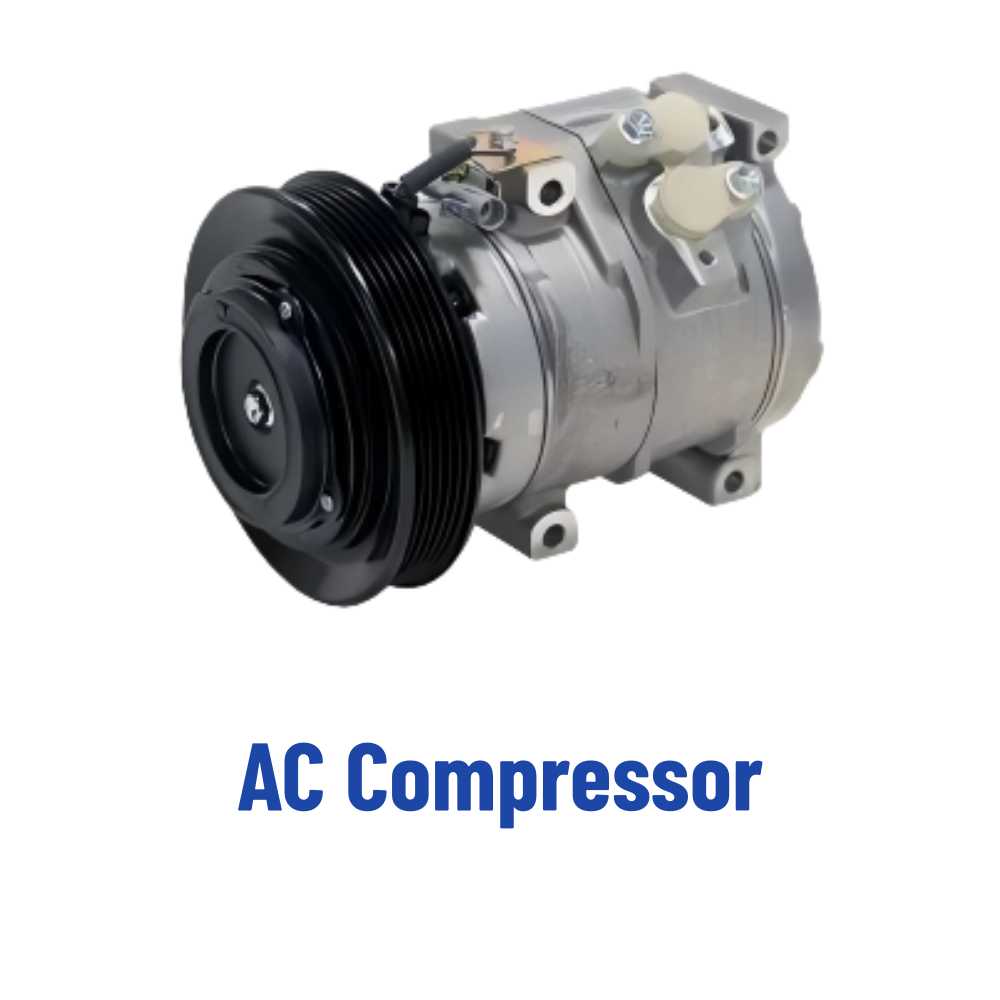
A good wholesale AC compressor supplier is not simply the factory with the lowest unit price. Importers should evaluate whether the supplier can confirm OE numbers, compressor family, pulley and clutch design, control valve type, refrigerant and oil compatibility, mounting points, vehicle-market differences, packaging, warranty rules, and repeat-order stability. The safest supplier is the one that reduces wrong shipments before the order leaves the warehouse. Elecdura's AC compressor range supports passenger vehicles, trucks, agricultural machinery, construction equipment, and transport refrigeration; buyers can start from the main AC compressor category or the wholesale AC compressor program when planning a bulk order.
Buyer question | Short answer | Procurement risk |
|---|---|---|
Is price the first filter? | No. Fitment accuracy, stable supply, warranty handling, and packaging are usually more important before price negotiation. | Low-price suppliers may ship visually similar but functionally different compressors. |
What data is essential? | OE number, compressor label, pulley grooves, clutch voltage, connector photo, vehicle year, engine, market, and old-part photos. | Incomplete data causes wrong clutch, wrong port angle, or wrong control valve. |
Should one supplier cover all applications? | For importers, a broad supplier can reduce sourcing time, but only if catalog data and QC are organized. | A wide but poorly managed range increases warranty and stock errors. |
Wholesale AC compressor sourcing should start with OE number, compressor family, connector, pulley, oil, and application data, not price alone.
Many public repair resources answer consumer price questions, but importers face a harder problem: how to avoid receiving a compressor that fits the bracket yet fails because the pulley, clutch, control valve, refrigerant, oil, connector, or vehicle market is different. That gap is important for distributors because one wrong compressor can create a chain of warranty claims, labor disputes, and lost workshop trust.
Retail articles often stop at symptoms such as warm air, clutch noise, or refrigerant leaks. Importers and wholesalers need a different level of detail because they are not repairing one car; they are building a repeatable supply program. A 3% mismatch rate can become dozens of returns when a distributor buys a mixed container of compressors for Chevrolet, Toyota, Mercedes-Benz truck, John Deere, and construction equipment applications.
A compressor is also a system-sensitive part. If the old compressor failed internally, the condenser, receiver drier, expansion valve, and hoses may contain debris. When a repair network installs a new compressor without flushing or replacing related parts, the compressor may fail again and the parts supplier may receive the claim. A good wholesale supplier therefore needs clear warranty boundaries, installation notes, and a way to separate product defect from system contamination.
For Elecdura buyers, the wholesale decision should combine three layers: fitment accuracy, commercial reliability, and after-sales control. Fitment accuracy protects the first installation. Commercial reliability protects repeat orders, lead time, MOQ, and labeling. After-sales control protects the relationship between importer, distributor, workshop, and end user.
Confirmation field | Why it matters | What to send or record |
|---|---|---|
OE number and brand cross | Many compressors share bodies but differ in control valve, pulley, or ports. | Old label photo, OE number, aftermarket number, and vehicle VIN or application. |
Pulley and clutch details | Groove count, pulley diameter, offset, and clutch voltage affect installation. | Front photo, side photo, belt type, 12V or 24V system, and clutch connector. |
Refrigerant and oil | R134a, R1234yf, PAG, POE, and hybrid oil requirements cannot be mixed casually. | Vehicle year, system refrigerant label, compressor oil requirement, and whether the vehicle is hybrid or EV. |
Port and manifold shape | A compressor can bolt on but fail to connect to the hose manifold. | Rear view, port spacing, suction/discharge shape, and sealing washer type. |
Warranty evidence | Claims require installation proof, contamination checks, and failed-part photos. | Repair invoice, system flush evidence, condenser/drier replacement record, and failure description. |
A wholesale order often begins after repair shops report repeated compressor demand. Before building stock, separate true compressor failures from A/C system faults. A compressor may be blamed when the actual problem is a low refrigerant charge, a failed pressure switch, a clogged condenser, a weak condenser fan, a faulty evaporator temperature sensor, or a control module problem.
RepairPal and AutoZone-type cost pages show that compressor replacement is an expensive consumer repair, often reaching hundreds or more than one thousand dollars depending on vehicle and market. That high labor cost makes wrong diagnosis painful. For B2B buyers, it also means workshops will pressure the parts chain when a newly installed compressor does not solve the problem.
Use a practical intake form for repair networks: complaint, gauge readings, clutch or control command, leak test result, condenser condition, refrigerant type, oil contamination, and compressor noise. This data helps a distributor choose whether to stock complete kits, compressors only, or compressor plus condenser/drier packages.
Warm air with no clutch engagement: confirm fuse, relay, pressure switch, low refrigerant, and control signal before blaming the compressor.
Warm air with clutch engagement: check pressure readings, condenser airflow, expansion valve, blend door, and refrigerant charge.
Compressor noise: inspect belt alignment, clutch bearing, internal damage, low oil, and contaminated refrigerant.
Repeated compressor seizure: suspect system debris, blocked condenser, missing flush step, or incorrect oil quantity.
Intermittent cooling: check control valve command, pressure sensor data, fan operation, and ECU cut-off conditions.
The most common mistake is matching by vehicle name only. A Chevrolet, Toyota, Renault, or Mercedes-Benz truck application may have different compressors by engine, market, year, chassis range, pulley design, and refrigerant generation. If a buyer sends only 'Silverado compressor' or 'Toyota compressor', the supplier must request more data rather than guessing.
Another mistake is ignoring private-label packaging until the order is ready to ship. Packaging affects barcode placement, brand card, installation warning sheet, carton strength, and pallet loading. Compressor boxes need enough protection for heavy units, protruding pulleys, and fragile electrical connectors. Weak packaging turns a good product into a damaged-delivery problem.
A third mistake is treating warranty as a simple replacement promise. Compressor warranty should define what evidence is required, which installation steps are mandatory, and which failures are excluded. If the condenser was not flushed or replaced after black-death contamination, a new compressor may fail quickly. That is a system problem, not automatically a manufacturing defect.
Supplier capability | What good looks like | Warning sign |
|---|---|---|
Catalog depth | Passenger, truck, agriculture, construction, and transport refrigeration coverage with OE cross references. | Only generic product photos and no structured application data. |
Fitment support | Supplier asks for OE number, label, pulley, connector, and port photos before confirming. | Supplier confirms only from vehicle model name. |
Quality control | Clutch pull-in, leak test, rotation, noise, oil quantity, and appearance checks are documented. | No test list or batch traceability. |
Commercial program | Clear MOQ, lead time, packaging, label, payment, and reorder process. | Price changes without SKU-level explanation. |
After-sales process | Warranty evidence checklist and technical review before approving claims. | Automatic rejection or automatic replacement without root-cause data. |
Start with demand clusters rather than random SKU collection. Wholesale compressor inquiries often include both broad category requests and vehicle-specific requests such as Chevrolet applications. That suggests a range should combine high-volume passenger compressors, truck compressors, agricultural compressors, and selected heavy-duty models where Elecdura already has product depth.
Segment the range by compressor family: fixed displacement, variable displacement, clutch type, clutchless type, heavy-duty Sanden-style units, Denso-style passenger units, and electric compressors. Electric units should stay in a separate confirmation workflow because high-voltage safety, POE oil, insulation resistance, and connector control are different from belt-driven compressors.
For markets with many repair networks, provide a compact ordering sheet. The sheet should ask for OE number, old compressor photos, vehicle market, engine, pulley grooves, clutch voltage, port image, and target quantity. This reduces chat time and gives the supplier enough information to quote alternatives, supersessions, and MOQ options.
Stock planning should separate fast-moving models from long-tail coverage. Fast movers need stable inventory, clear box labels, and a reorder point. Long-tail items can be quoted by sample or small batch if the supplier can confirm them quickly. A mixed approach keeps cash from being trapped in slow inventory while still giving distributors access to broad coverage.
For private-label programs, keep an image library and fitment file per SKU. The box may carry the distributor brand, but the internal data should still record OE numbers, compatible aftermarket numbers, application years, and installation notes. This makes future reorder and claim review much faster.
When a distributor sells to workshops, include system-service reminders in the carton or invoice: replace receiver drier when required, inspect condenser, flush lines, confirm oil quantity, and evacuate/recharge with the correct refrigerant. These reminders protect both the workshop and the parts supplier.
Repair networks should not report only 'compressor bad'. Ask them to send pressure readings, clutch command status, leak test result, and photos. If the compressor never engages, the issue may belong to the A/C pressure switch, control circuit, refrigerant charge, or condenser fan rather than the compressor itself.
If the compressor seized, inspect the AC condenser and related lines for debris. Some modern parallel-flow condensers are difficult to flush completely, so replacing the condenser can be a safer warranty decision than trying to clean a contaminated core.
If the buyer also handles hybrid and EV applications, separate them into a high-voltage workflow and review Elecdura's electric AC compressor range. Mixing electric and belt-driven confirmation rules is one of the fastest ways to create ordering errors.
Send OE number, old compressor label, front/rear/side photos, and connector photos.
Confirm pulley groove count, pulley diameter, clutch voltage, and port/manifold shape.
State refrigerant type, oil requirement, vehicle year, engine, and market.
Ask for MOQ, packaging options, carton label support, and lead time by SKU group.
Request warranty rules covering installation evidence, system contamination, and claim photos.
Use Elecdura's contact page to send your compressor list for matching and quotation.
For a wholesale AC compressor program, send Elecdura your target OE numbers, current supplier pain points, old-part photos, expected monthly demand, and packaging requirements. Our team can help match compressor families, recommend stock priorities, and prepare a quotation for importers and distributors.
For a distributor, the final buying decision should be based on repeatability. A single correct sample is useful, but a stable part program needs the same confirmation rules every time: part number, application, photos, dimensions, connector or port details, packaging, and claim evidence. This repeatable process is what separates a professional aftermarket supply chain from one-off trading. In the case of wholesale ac compressor supplier guide: how importers should evaluate fitment, warranty, and bulk programs, this control should be tied to the buyer's actual diagnosis notes, matching data, packaging plan, and after-sales responsibility instead of being treated as an isolated catalog lookup.
Another useful practice is to keep rejected variants in the database. If a part looked similar but was not correct, record why: connector lock was different, mounting tab was offset, port direction changed, sensor boss was missing, or the vehicle market used another specification. Rejection data prevents the same mistake from returning six months later. In the case of wholesale ac compressor supplier guide: how importers should evaluate fitment, warranty, and bulk programs, this control should be tied to the buyer's actual diagnosis notes, matching data, packaging plan, and after-sales responsibility instead of being treated as an isolated catalog lookup.
Buyers should also think about how the part will be sold downstream. A workshop wants fast fitment and clear warranty rules. A distributor wants margin and low return rates. An importer wants stable factories, predictable lead time, and fewer mixed-SKU surprises. A good sourcing process connects these needs so the part is not evaluated only as a picture and a price. In the case of wholesale ac compressor supplier guide: how importers should evaluate fitment, warranty, and bulk programs, this control should be tied to the buyer's actual diagnosis notes, matching data, packaging plan, and after-sales responsibility instead of being treated as an isolated catalog lookup.
Packaging deserves more attention than many buyers give it. Heavy cooling and A/C parts can be damaged by weak cartons, poor internal support, and exposed connectors. Private-label packaging should protect the part first, then communicate the brand. A beautiful box that allows a connector to break in transit is still a failed supply decision. In the case of wholesale ac compressor supplier guide: how importers should evaluate fitment, warranty, and bulk programs, this control should be tied to the buyer's actual diagnosis notes, matching data, packaging plan, and after-sales responsibility instead of being treated as an isolated catalog lookup.
Finally, do not hide uncertainty from the supplier. If the application is unclear, say so and send more photos. A professional supplier would rather ask two more questions before shipment than solve a return after installation. This is especially true for electrical cooling parts, pressure parts, and heat exchangers where small differences change function. In the case of wholesale ac compressor supplier guide: how importers should evaluate fitment, warranty, and bulk programs, this control should be tied to the buyer's actual diagnosis notes, matching data, packaging plan, and after-sales responsibility instead of being treated as an isolated catalog lookup.
For a distributor, the final buying decision should be based on repeatability. A single correct sample is useful, but a stable part program needs the same confirmation rules every time: part number, application, photos, dimensions, connector or port details, packaging, and claim evidence. This repeatable process is what separates a professional aftermarket supply chain from one-off trading. In the case of wholesale ac compressor supplier guide: how importers should evaluate fitment, warranty, and bulk programs, this control should be tied to the buyer's actual diagnosis notes, matching data, packaging plan, and after-sales responsibility instead of being treated as an isolated catalog lookup.
Another useful practice is to keep rejected variants in the database. If a part looked similar but was not correct, record why: connector lock was different, mounting tab was offset, port direction changed, sensor boss was missing, or the vehicle market used another specification. Rejection data prevents the same mistake from returning six months later. In the case of wholesale ac compressor supplier guide: how importers should evaluate fitment, warranty, and bulk programs, this control should be tied to the buyer's actual diagnosis notes, matching data, packaging plan, and after-sales responsibility instead of being treated as an isolated catalog lookup.
Buyers should also think about how the part will be sold downstream. A workshop wants fast fitment and clear warranty rules. A distributor wants margin and low return rates. An importer wants stable factories, predictable lead time, and fewer mixed-SKU surprises. A good sourcing process connects these needs so the part is not evaluated only as a picture and a price. In the case of wholesale ac compressor supplier guide: how importers should evaluate fitment, warranty, and bulk programs, this control should be tied to the buyer's actual diagnosis notes, matching data, packaging plan, and after-sales responsibility instead of being treated as an isolated catalog lookup.
Packaging deserves more attention than many buyers give it. Heavy cooling and A/C parts can be damaged by weak cartons, poor internal support, and exposed connectors. Private-label packaging should protect the part first, then communicate the brand. A beautiful box that allows a connector to break in transit is still a failed supply decision. In the case of wholesale ac compressor supplier guide: how importers should evaluate fitment, warranty, and bulk programs, this control should be tied to the buyer's actual diagnosis notes, matching data, packaging plan, and after-sales responsibility instead of being treated as an isolated catalog lookup.