English
Views: 0 Author: Site Editor Publish Time: 2026-08-10 Origin: Site
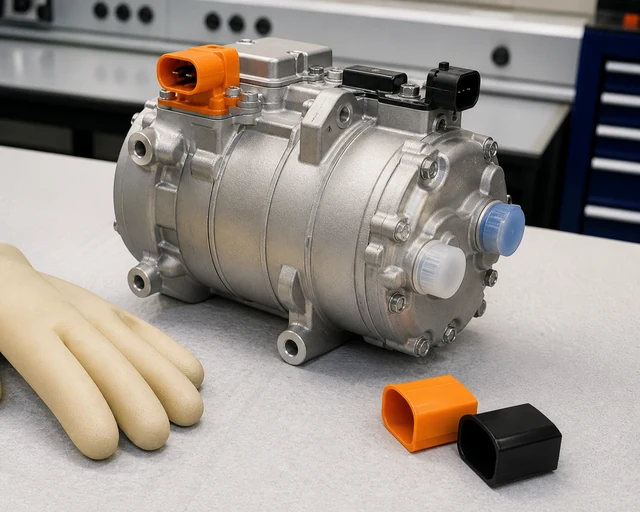
Renault Zoe 926008999R is searched as an electric A/C compressor reference for EV climate-control repairs. This part should never be treated like a conventional belt-driven compressor. Before ordering or installing an electric compressor, confirm the OE number, Renault Zoe application, high-voltage connector, low-voltage control connector, refrigerant type, oil specification, mounting points, pipe connection, software or control requirements, and safety procedure. A wrong compressor or contaminated oil can create cooling failure, isolation faults, or damage to the EV A/C system.
This article explains the key fitment and sourcing checks for a Renault Zoe 926008999R electric A/C compressor. It is written for EV repair networks, distributors, importers, and procurement teams that need accurate matching and safe handling. Elecdura supports A/C compressors, wholesale A/C compressor programs, A/C condensers, and related thermal parts for buyers building EV and hybrid A/C coverage.
A conventional compressor is driven by the engine belt and usually uses a clutch or control valve. An EV electric compressor has its own electric motor and high-voltage power supply. It may also communicate with the vehicle through low-voltage control wiring and module logic. This means the replacement must match electrical, mechanical, refrigerant, and software requirements.
Safety is the first difference. High-voltage systems require trained personnel, proper isolation procedures, and approved tools. A parts buyer should not encourage installation by unqualified technicians. The second difference is oil. EV compressors often require oil with specific electrical insulation properties. Using the wrong oil can reduce insulation resistance and create high-voltage faults.
Check Field | Why It Matters | Evidence to Request |
|---|---|---|
OE number 926008999R | Primary replacement reference | Old compressor label photo |
High-voltage connector | Must match power cable and safety lock | Connector close-up |
Low-voltage connector | Control signal and communication must match | Pin count and plug shape photo |
Pipe port layout | A/C lines must fit without stress | Port angle and sealing face photo |
Oil specification | Wrong oil can affect insulation and compressor life | Supplier oil type confirmation |
Possible symptoms include no cabin cooling, compressor not starting, EV A/C fault codes, high-voltage isolation warnings, abnormal compressor noise, poor cooling under load, or pressure readings that do not change when the compressor is commanded. Because EV thermal management can also support battery temperature control, A/C faults may affect more than cabin comfort depending on vehicle strategy.
However, the compressor should not be replaced only because cooling is poor. The cause can be low refrigerant, condenser airflow, pressure sensor error, wiring issue, control-module fault, expansion valve problem, software condition, or a high-voltage interlock issue. The correct diagnosis confirms command, power supply, pressure behavior, and system condition before replacement.
Only qualified EV technicians should test or replace a high-voltage electric compressor. The vehicle must be powered down according to manufacturer procedure, and the high-voltage system must be verified safe before work begins. Connectors should not be probed casually, and insulation-resistance requirements must be respected. A supplier can sell the part, but safe installation depends on trained service practice.
For distributors, safety communication is part of product responsibility. Packaging and product pages should identify the compressor as a high-voltage EV component. Claims should require installation by qualified personnel and evidence of proper procedure. This protects customers and reduces disputes caused by unsafe handling.
Electric A/C compressors may require special oil with electrical insulation properties. Mixing the wrong oil, using contaminated service equipment, or leaving the system open can create serious problems. If the old compressor failed internally, debris and contaminated oil may remain in the condenser, lines, or expansion device. The repair may require flushing where allowed, condenser replacement, receiver drier replacement, or other contamination control steps.
For buyers, ask the supplier whether the compressor is shipped with oil, what oil type is used, and whether additional oil balancing is required. Do not assume the oil used for a belt-driven compressor is suitable. Also confirm that ports are capped and sealed during shipping. Moisture and dirt in an EV A/C system can create expensive repeat failures.
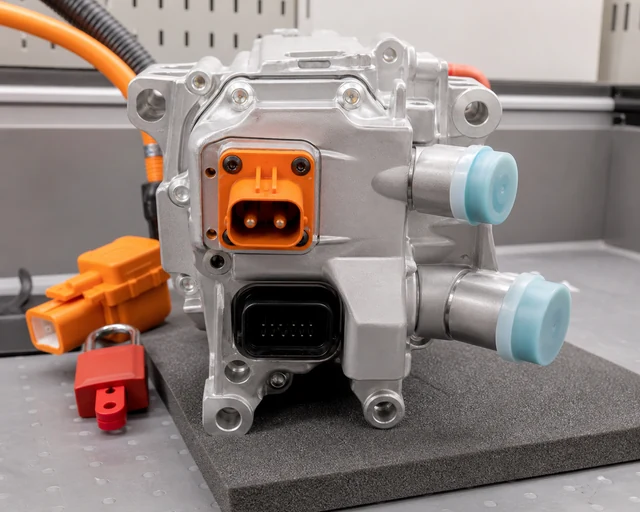
The high-voltage connector must match the vehicle cable and lock mechanism. The low-voltage connector must match the control circuit. Some compressors may have similar housings but different connector orientation or communication behavior. A compressor that bolts on but cannot communicate correctly will not repair the vehicle.
Before ordering, request clear photos of both connectors. Count pins, compare lock tabs, and check cable angle. If the old compressor label is readable, photograph it. If the replacement has a different suffix or cross-reference, ask the supplier to explain compatibility. EV compressor matching should not rely on a generic "Renault Zoe compressor" title.
Mechanical fitment includes mounting ears, bracket spacing, pipe port position, sealing face, body clearance, and vibration isolation. EV compressors may sit in tight spaces and connect to rigid or semi-rigid A/C lines. If the port angle differs, the line may be stressed and leak. If the body shape differs, it may interfere with surrounding components.
Ask for side, top, connector, and port photos before approving a bulk order. If possible, compare with an old unit. Check whether O-rings, caps, or mounting hardware are included. A missing O-ring can stop a repair just as effectively as a wrong compressor.
Confirm the complaint: no cooling, intermittent cooling, fault code, noise, or isolation warning.
Check refrigerant charge and pressure behavior with approved equipment.
Check scan data for compressor command, pressure sensor value, and relevant EV/HVAC codes.
Confirm condenser fan and airflow where applicable.
Inspect high-voltage and low-voltage connectors for damage or corrosion after safe shutdown.
Check whether the system is contaminated after compressor failure.
Confirm OE number and physical matching before ordering.
EV compressor programs create higher risk than many traditional A/C parts because the part is expensive, electrical, safety-sensitive, and application-specific. A wrong unit can sit in inventory because buyers are reluctant to install it. A contaminated or incorrectly oiled unit can create a serious warranty dispute. A connector mismatch can be discovered only when the vehicle is already apart.
For importers, sample approval should include photos, label verification, connector comparison, port protection, oil specification, packaging, and supplier warranty terms. If the supplier cannot provide oil information or connector photos, the quote is incomplete. If the compressor is used or remanufactured, the buyer should ask for test evidence and contamination controls.
Electric compressors should be shipped with ports capped, connectors protected, and the body secured against impact. The carton should identify the part as an EV A/C compressor and protect both high-voltage and low-voltage connector areas. Do not store compressors where connectors can be crushed or where port caps can fall off.
Warehouse staff should keep EV compressors separated from conventional compressors. This prevents picking errors and reduces the chance that someone handles the part casually. Labels should include OE number, application, connector type, and caution language for high-voltage components.
A warranty claim for an EV compressor should include fault codes, refrigerant pressure readings, scan data, installation evidence, oil and contamination notes, connector photos, and confirmation that qualified EV procedure was followed. If the vehicle has an isolation fault after installation, oil contamination, connector damage, or system moisture must be considered. If cooling is poor but the compressor runs, condenser, expansion valve, refrigerant charge, and airflow should be checked.
For distributors, this evidence is essential. EV compressor claims are too expensive to handle with a simple "does not work" note. A clear claim process protects the buyer, supplier, and repairer.
On an EV, the A/C compressor may support more than cabin comfort. Depending on vehicle design and operating condition, the A/C system can be involved in battery or power-electronics thermal management. Even when the customer complaint is warm air from the vents, the diagnostic process should consider the vehicle's thermal-control strategy. A compressor that does not start may be blocked by module logic, high-voltage conditions, pressure data, or safety interlocks.
This is why EV compressor diagnosis should use scan data. The technician should check whether the compressor is being commanded, whether the command is inhibited, and which module is reporting the fault. If the vehicle blocks compressor operation because of a pressure sensor or isolation issue, replacing the compressor without addressing the cause will not restore the system.
Buyers may see new aftermarket, remanufactured, and used electric compressors in the market. A new unit offers the cleanest quality path if the supplier controls connector, oil, testing, and packaging. A remanufactured unit can be acceptable only if the supplier documents testing, internal cleanliness, insulation condition, and oil handling. A used unit may be cheaper but carries higher uncertainty around mileage, contamination, and hidden electrical damage.
For professional procurement, do not compare these options only by price. Ask what has been tested, whether the ports were sealed, what oil is inside, how insulation was verified, and how warranty is handled. A low-cost used EV compressor can become expensive if it creates an isolation fault or fails after installation labor. If the buyer serves repair networks, consistency and documentation are more important than occasional bargain stock.
Before installing the replacement compressor, the system should be evaluated for leaks, contamination, moisture, and related component condition. If the old compressor failed mechanically, debris may remain. If the system was open, moisture can enter. If the condenser or drier is restricted, the new compressor may work harder than intended. EV A/C repair should be clean and controlled.
Use the correct recovery, evacuation, and recharge process. Confirm refrigerant type and charge quantity. Replace required seals and O-rings. Keep lines capped when open. If service equipment has been used with incompatible oil, contamination control becomes critical. These steps are not optional details; they directly affect compressor life and high-voltage safety.
Some electric compressors may require vehicle-level learning, initialization, or control-module compatibility checks. Not every replacement is plug-and-play in every scenario. The repairer should check service information and scan-tool functions before assuming the compressor is defective. If a compressor is installed and still not commanded, review fault codes, interlocks, pressure values, and module communication.
For distributors, ask suppliers whether any coding, initialization, or application restrictions apply. If the supplier says no coding is required, record that claim with the part number. If certain versions require software compatibility, add that note to the catalog. Clear pre-sale information reduces returns from shops that expected a simple mechanical swap.
Area | Acceptable Evidence | High-Risk Warning |
|---|---|---|
OE matching | Label photo, OE reference, Renault Zoe application data | Only generic "EV compressor" title |
Electrical fit | High-voltage and low-voltage connector photos | No pin or lock-tab confirmation |
Oil control | Oil type and shipped-oil status stated | Supplier cannot identify oil |
Testing | Functional and insulation-related checks described | No test method given |
Packaging | Ports and connectors protected | Open ports or loose carton |
Example one: a Zoe has no A/C cooling and the compressor is silent. Scan data shows no compressor command because the pressure sensor value is implausible. The compressor is not the first replacement. The pressure sensor circuit and refrigerant pressure need diagnosis before ordering a compressor.
Example two: a compressor is replaced after an internal failure, but the system is not cleaned properly and the condenser remains contaminated. The new compressor fails early. The warranty discussion should focus on contamination control and related component replacement, not only the compressor itself.
Example three: a replacement compressor has the correct mounting shape but a different low-voltage connector. Installation stops immediately. This is a procurement failure that could have been prevented with connector photos and pin-count confirmation.
EV compressors should be stored with ports capped, connectors protected, and labels visible. They should not be mixed with conventional belt-driven compressor stock. Warehouse staff should understand that oil contamination and connector damage are serious. If the compressor is returned, inspect whether caps are still present and whether connectors have been damaged before restocking.
For private-label or import programs, include caution labeling and application-specific part numbers. Do not allow one generic electric compressor label to cover several connector or port versions. A small identification mistake can create a high-value return.
Information | Why It Matters |
|---|---|
Old compressor label | Confirms OE reference and version |
Vehicle VIN, year, and market | Reduces application uncertainty |
High-voltage connector photo | Confirms power connection and lock style |
Low-voltage connector photo | Confirms control interface |
Port layout and sealing face | Confirms line fit and leak prevention |
Fault codes and pressure data | Prevents replacing a good compressor |
Oil and contamination status | Protects replacement life and warranty |
The first mistake is treating an EV compressor like a conventional compressor. The second is ignoring oil insulation requirements. The third is ordering without connector photos. The fourth is replacing the compressor without checking refrigerant charge, pressure sensor data, and command status. The fifth is using contaminated service equipment. The sixth is comparing used and new units as if they carry the same warranty risk.
These mistakes are expensive because EV compressor labor and part cost are high. A careful pre-sale process may feel slower, but it protects the buyer from wrong inventory and protects the repairer from unsafe or incomplete installation.
If the buyer cannot provide OE number, connector photos, vehicle application, or fault evidence, it may be better to pause the quotation. This is especially true for high-voltage EV parts. A vague request such as "Renault Zoe A/C compressor" is not enough for a confident order. Ask for the old compressor label and photos before proceeding.
Also pause when the diagnosis is clearly incomplete. If refrigerant pressure has not been checked, if the vehicle has communication faults, or if the system has not been inspected for contamination after failure, compressor replacement may be premature. A supplier that asks these questions helps the customer avoid a costly mistake.
Sales teams should be trained to recognize that EV A/C compressor requests require more evidence than a normal compressor inquiry. They should ask for connector photos, fault codes, oil information, and safety-qualified installation. Technical staff should understand when to recommend related checks such as condenser contamination, pressure sensor data, and refrigerant charge. This training reduces wrong quotes and helps the buyer present EV parts professionally.
Renault Zoe 926008999R electric A/C compressor replacement should be based on OE number, connector matching, high-voltage safety, oil specification, pipe-port layout, mechanical fitment, and diagnostic evidence. Poor cooling alone is not enough to condemn the compressor. Refrigerant charge, pressure sensor data, airflow, control command, wiring, and contamination must be checked.
When requesting a quotation, send the OE number, old compressor label, high-voltage connector photo, low-voltage connector photo, port layout, vehicle year, fault codes, and target order quantity. Elecdura can help buyers verify EV A/C compressor replacements and related A/C parts so the repair is technically matched and handled with the seriousness high-voltage components require.