English
Views: 0 Author: Site Editor Publish Time: 2026-07-07 Origin: Site
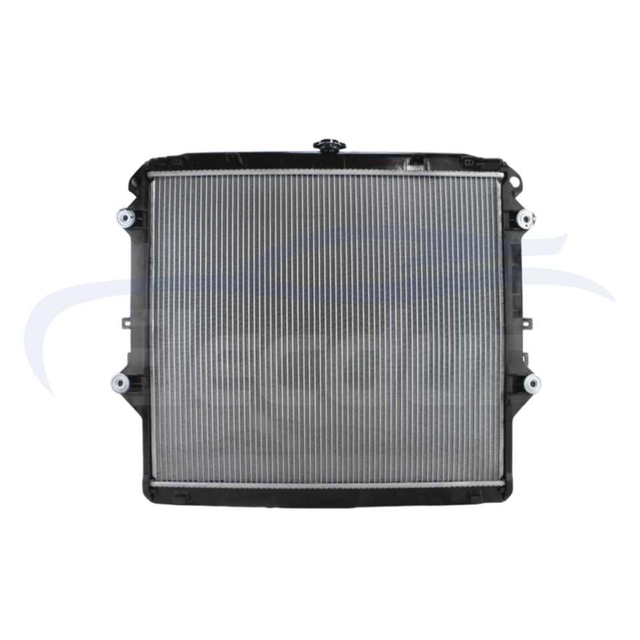
A radiator cools engine coolant, an AC condenser cools high-pressure refrigerant, and an intercooler cools compressed intake air. They may all look like aluminum heat exchangers at the front of a vehicle, but they belong to different systems and cannot be matched only by shape.
This matters for parts buyers because radiator, condenser, and intercooler damage can look similar from the outside, but the ports, pressure, fluid, location, and failure symptoms are different.
Part | What It Cools | System | Typical Failure Symptoms |
|---|---|---|---|
Radiator | Engine coolant | Engine cooling system | Engine overheating, coolant leak, low coolant, steam, fan running often |
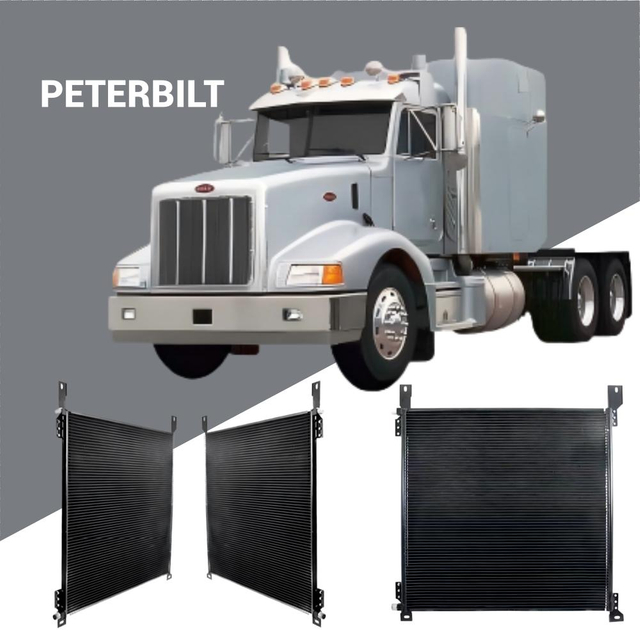
AC condenser | Hot compressed refrigerant | Air conditioning system | Weak A/C cooling, high pressure, refrigerant leak, compressor cycling |
Intercooler | Compressed intake air | Turbo or supercharger intake system | Power loss, boost leak, oil mist, black smoke, high intake air temperature |
The radiator manages engine coolant temperature, not refrigerant or intake air.
Visual Clue | Radiator | AC Condenser | Intercooler |
|---|---|---|---|
Location | Often behind condenser, connected to coolant hoses | Usually in front of radiator | Front, side, top mount, or integrated charge-air location |
Connections | Large rubber coolant hoses | Small aluminum refrigerant lines with fittings | Large air ducts or charge pipes |
Fluid or medium | Coolant | Refrigerant and oil | Compressed air, often with oil mist |
Pressure type | Cooling system pressure | High A/C refrigerant pressure | Boost pressure |
All three parts use thin tubes and fins to transfer heat to moving air. They may sit close together, especially in modern cars, trucks, and heavy equipment. Front-end damage can bend all three at once, so photos from only one angle are not enough for replacement matching.
The AC condenser usually sits in front of the radiator and uses refrigerant line fittings, not coolant hose necks.
Confirm the failed system first: engine cooling, A/C, or turbo intake.
Photograph the part installed before removal.
Record OE number or supplier reference number.
Measure core size and overall dimensions separately.
Compare port position, hose necks, fittings, brackets, and sensor mounts.
Check whether the vehicle has A/C, automatic transmission cooler, turbo, or heavy-duty cooling package.
For trucks and machinery, confirm engine, cab A/C layout, and serial range.
Scenario | Why It Happens | How to Avoid It |
|---|---|---|
Radiator ordered instead of condenser | Both are in front and look like finned cores | Check hose necks vs refrigerant fittings. |
Wrong radiator version | Vehicle may have manual/automatic or with/without A/C variants | Check transmission cooler fittings and fan/shroud mounts. |
Intercooler mistaken for radiator | Large aluminum core with side tanks | Look for charge-air pipe connections and turbo application. |
Elecdura supports replacement sourcing for radiators, AC condensers, intercoolers, and charge air cooler assemblies. Send photos, OE numbers, core size, port direction, and application details for matching.